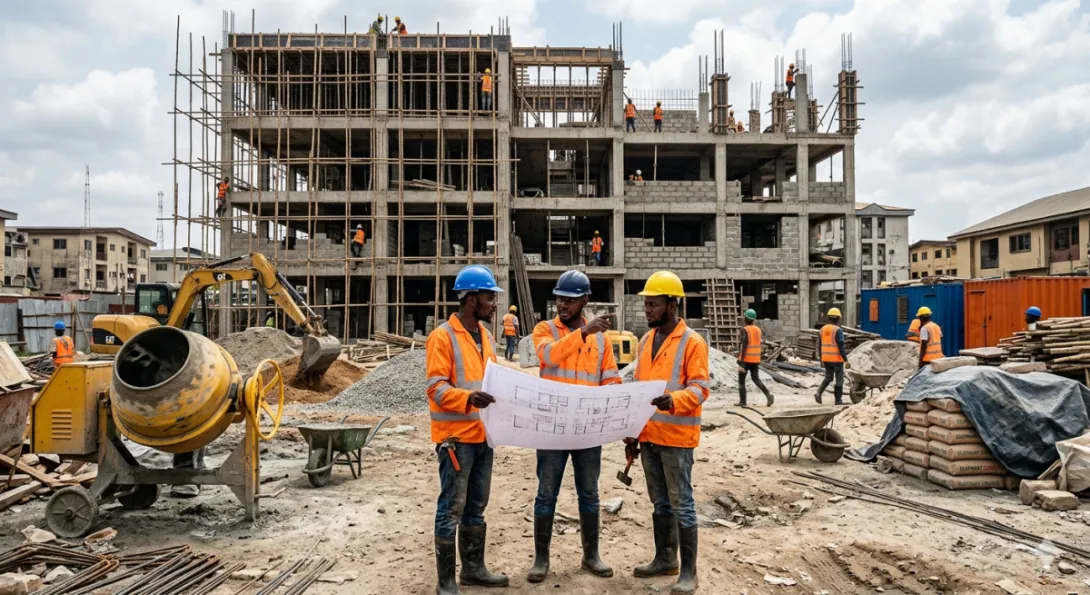
Building a house in Nigeria is a major milestone. For many people, it is more than a project. It is a personal dream, a financial commitment, and a legacy decision. But while the idea of owning and building your own home is exciting, the process can also feel overwhelming, especially for first time builders.
From buying land to planning, approvals, construction, and finishing, every stage matters. If you get the early steps wrong, you may spend more money, face delays, or end up with avoidable problems. That is why understanding the full building process is important before you begin.
In this guide, we break down the step by step process of building a house in Nigeria in a simple and practical way.
1. Define Your Goal Before You Start
Before you buy land or speak to a contractor, be clear about what you want to build.
Ask yourself these questions:
Are you building for personal residence
Are you building for rental income
Are you building for resale
Do you want a bungalow, duplex, block of flats, or terrace property
What size of home fits your budget and family needs
Your goal will influence your location, design, budget, and construction timeline. Many people make the mistake of rushing into construction without first deciding the real purpose of the project.
2. Buy the Right Land
One of the most important steps in building a house in Nigeria is buying land with the right title and in the right location. A beautiful building on problematic land can become a major loss.
Before buying land, check the following:
Title documents
Ownership history
Survey plan
Accessibility of the location
Development potential of the area
Whether the land is affected by government acquisition
Physical condition of the site
This stage is where many building projects either begin well or begin badly. Always carry out proper due diligence before making payment.
3. Set a Realistic Budget
A common mistake among first time builders is underestimating the true cost of building a house in Nigeria. Construction is not only about blocks and cement. There are many other costs involved.
Your budget should cover:
Land cost
Legal fees and documentation
Architectural drawings
Structural drawings
Approvals and permits
Site clearing
Foundation work
Building materials
Labour
Electrical and plumbing works
Roofing
Windows and doors
Finishing
Contingency costs
A smart budget helps you build with more confidence and fewer surprises. It also helps you phase your project properly if you are not funding everything at once.
4. Engage the Right Professionals
Building a house is not a one person job. It requires the input of different professionals to ensure the project is properly planned and executed.
Depending on your project, you may need:
An architect
A structural engineer
A quantity surveyor
A builder
A project manager
An electrical engineer
A mechanical engineer
A legal adviser
Working with the right team can save you time, money, and stress. It also improves quality and reduces the risk of structural or compliance problems.
5. Create a Building Plan
Once your land is secured and your budget is clearer, the next step is to develop your building plan. Your architect will help translate your vision into a practical design that fits your lifestyle, budget, and land size.
A good building plan should consider:
Number of rooms
Space arrangement
Ventilation and lighting
Parking space
Drainage
Security
Future expansion possibilities
Functionality and comfort
This is also the stage where you decide whether you want a modern finish, a simple functional design, or a more luxury concept.
6. Obtain Necessary Approvals
Before construction begins, you need the relevant building approvals from the appropriate authorities. This is a step many people try to ignore, but it is too important to overlook.
Building approvals help ensure that your construction follows planning regulations and safety standards. Skipping this step can lead to fines, delays, or enforcement issues later.
Make sure all drawings and documents are properly submitted and approved before major construction begins.
7. Prepare the Site
Site preparation is the first physical stage of construction. This may include clearing vegetation, fencing the property, setting out the building position, and preparing the land for foundation work.
At this stage, professionals will assess the soil condition and determine the best type of foundation for the building. Proper site preparation is essential because a weak beginning can affect the strength and stability of the entire structure.
8. Start the Foundation Work
The foundation is one of the most critical stages of house construction in Nigeria. It carries the weight of the building and must be done correctly.
The type of foundation will depend on:
The soil condition
The building design
The number of floors
The structural load
Rushing this stage or cutting costs carelessly can create serious structural problems later. Quality materials and proper supervision are especially important here.
9. Move to the Structural Stage
After the foundation comes the main structural work. This includes raising the walls, casting columns and beams where necessary, decking if it is an upper floor building, and roofing.
This stage gives physical shape to the house. It is also where poor workmanship becomes more obvious if the project is not properly managed.
Consistent supervision is important to ensure materials are used correctly and work is done to standard.
10. Install Electrical and Plumbing Systems
Once the structure is in place, the next phase usually includes internal systems such as electrical wiring, plumbing, drainage connections, and other service installations.
These elements may not always be visible after finishing, but they are essential to the comfort and functionality of the house. Poor installation at this stage often leads to expensive repairs later.
11. Focus on Finishing
Finishing is the stage that brings the building to life. This includes plastering, screeding, tiling, ceiling work, painting, fittings, doors, windows, sanitary wares, kitchen installations, wardrobes, and final details.
Many people get carried away at this point and overspend. The key is to balance aesthetics with durability, practicality, and budget.
Choose materials that fit your design goal and maintenance expectations.
12. Inspect and Handover
Before moving in or putting the property on the market, carry out a final inspection. Check for defects, incomplete work, poor finishing, leakages, faulty fittings, and anything else that needs correction.
A proper inspection allows you to fix issues before occupancy. It also helps ensure that the project meets the quality you expected from the beginning.
Common Mistakes First Time Builders Should Avoid
Many house construction projects in Nigeria become stressful because of avoidable mistakes. Some of the most common include:
Buying land without proper verification
Starting construction without a clear budget
Using unqualified workers
Ignoring approvals
Choosing cheap materials over quality
Failing to supervise the project properly
Changing the design too often during construction
Not planning for hidden costs
Avoiding these mistakes can save you a lot of money, time, and frustration.
Final Thoughts
Building a house in Nigeria is a rewarding process when approached with the right plan, the right people, and the right structure. It is not just about laying blocks. It is about making smart decisions from land acquisition to final finishing.
The more informed you are at the beginning, the smoother your building journey is likely to be. Whether you are building your first home, developing an investment property, or planning a family house, understanding the process helps you avoid costly mistakes and build with confidence.
Thinking about building a house in Nigeria and want the process handled professionally from start to finish?
Brick Fort, as LandMall’s trusted partner in property construction, helps clients handle every stage of the building journey, from planning and coordination to execution and finishing. If you want a smoother, better managed construction process, reach out today.
Call or WhatsApp: +234 901 900 1191 or +234 808 668 2070
For property opportunities, land acquisition support, and expert real estate guidance, connect with LandMall today.