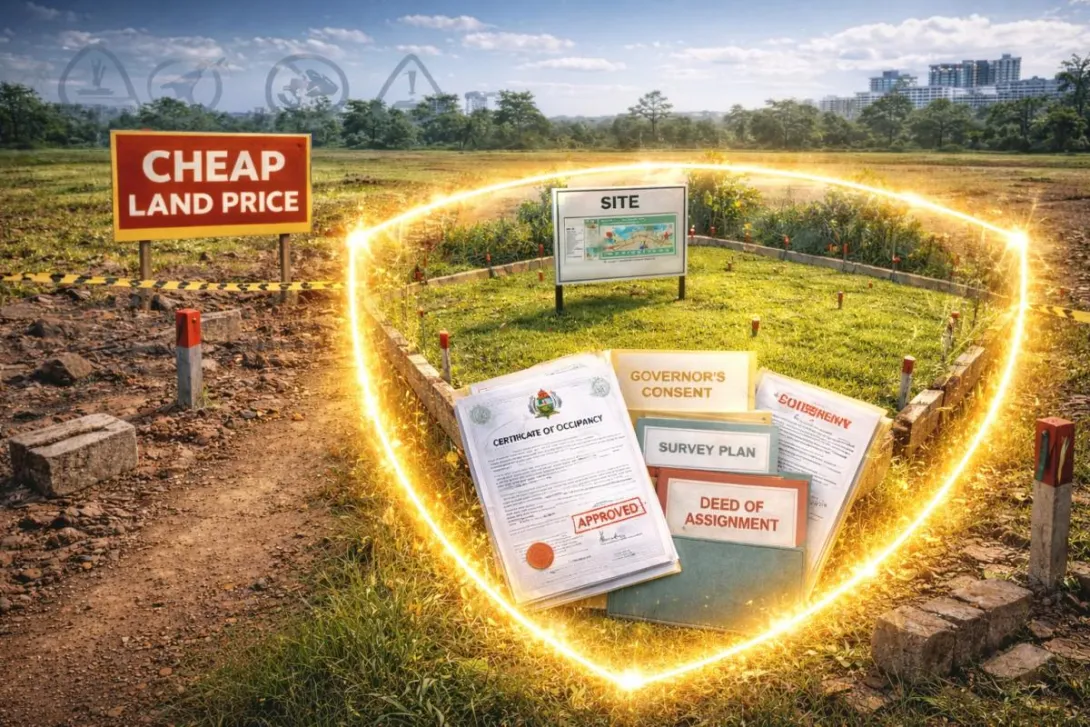
One of the biggest mistakes people make when buying land in Nigeria is assuming that the person showing the land automatically has the legal right to sell it. That assumption can be costly. A seller may be in possession of land and still lack the authority to transfer valid title. That is why confirming seller authority in land transactions is one of the most important parts of property due diligence in Nigeria.
Why Seller Authority Matters
A land sale can go wrong even when documents are shown. A family member may try to sell family land without proper consent. A company representative may try to sell land without company approval. An agent may be acting without a valid mandate. In all these cases, the issue is not just the land itself but whether the seller truly has the right to transfer it.
That is why how to know if the seller has the right to sell the land is a critical question before payment.
Start With the Root of Title
The first step in land title verification in Nigeria is to ask how the seller got the land. Was it through allocation, inheritance, assignment, family ownership, company acquisition, or another lawful process?
This is where land documents in Nigeria matter. Depending on the transaction, ask to see documents such as:
Certificate of Occupancy
Governor’s Consent
Deed of Assignment
Survey Plan
Family ownership documents
Company documents where applicable
Do not rely on one document alone. Check the full ownership trail.
Confirm the Seller Is the Real Owner or Proper Representative
A very important check is whether the seller’s name matches the ownership documents. If someone else is selling on behalf of the owner, ask for proof of authority.
This may include:
Power of Attorney
Company resolution or authorization
Letters of Administration
Family consent or recognized family authority
A good buyer does not rely on verbal explanations alone. Authority should be documented and clear.
If a Company Is Selling, Verify the Company
In a company land sale in Nigeria, confirm that the company actually exists and that the person acting for it is authorized. This helps reduce the risk of dealing with the wrong party.
If It Is Family Land, Be More Careful
Family land in Nigeria requires extra caution. Do not assume one family member can sell on behalf of everyone. Find out who the recognized representatives are and whether the necessary family consent has been given.
This is where many land disputes begin, so proper checking is essential.
Verify the Land Records
Do not depend only on copies handed to you by the seller. Proper how to verify land title in Nigeria includes checking official records where possible and confirming that the title history is consistent.
Also compare the documents with the land on ground. The size, location, survey details, and boundaries should match what is being sold.
Red Flags to Watch Out For
Be careful if:
The seller avoids showing full documents
The seller’s name does not match the title papers
The ownership story keeps changing
The seller pushes for urgent payment before verification
The land is said to be family land but only one person is negotiating
The survey does not match the land shown
These are common warning signs that the seller may not truly have the right to sell.
Final Thoughts
The safest way to buy land is not to assume. Verify. A smart buyer checks the seller’s root of title, confirms authority, reviews the documents properly, and compares the paperwork with the land on ground.
In buying land in Nigeria, confidence should come from proper verification, not pressure, promises, or appearances.
CTA
Before you pay for any land, make sure the seller truly has the right to sell it.
LandMall helps buyers and investors access better property opportunities and supports clients with practical guidance across the property process.
Call or WhatsApp +234 901 900 1191 to get started.