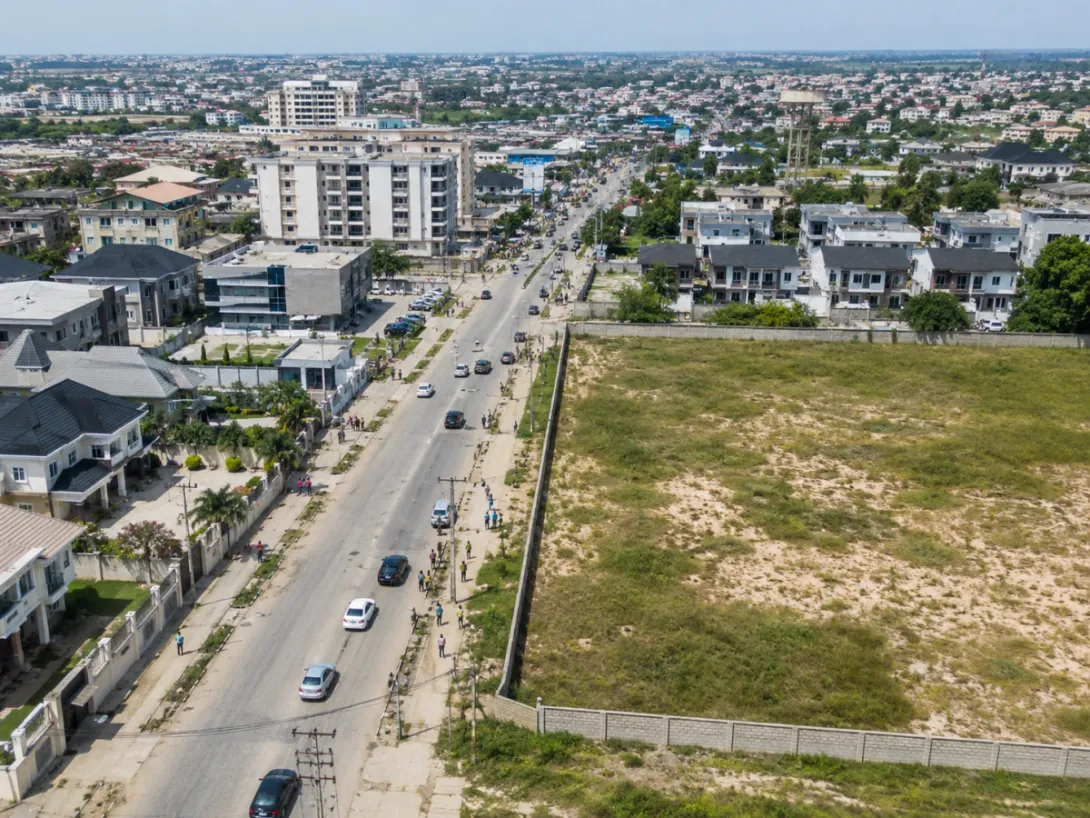
Buying property is not only about owning real estate. It is also about buying something that can grow in value over time. That is why one of the smartest questions any buyer can ask is this: will this property appreciate?
The truth is, not every property will increase in value at the same rate. Some properties grow steadily because they are in the right location, have strong demand, and are supported by the right infrastructure. Others remain stagnant because buyers focus only on price, appearance, or hype.
If you want to make a smarter decision, you need to understand how to know if a property will appreciate in Nigeria before you buy.
1. Look at the location beyond the name
A popular location does not automatically mean a good investment. What matters is whether the exact area is improving in a way that supports future value.
Ask questions like:
Is road access improving
Are new estates, businesses, or schools coming into the area
Is the neighborhood becoming more attractive to families, tenants, or investors
Is the area connected to a growth corridor
A location that is truly growing usually gives signs of real development, not just marketing noise.
2. Check if there is real demand
Property appreciation is usually stronger where people actually want to live, rent, or buy. Demand is one of the clearest drivers of future value.
A property has better appreciation potential when:
People are actively moving into the area
Rental demand is strong
Families and professionals are choosing that location
The area is becoming easier to sell in
If demand is weak, appreciation may also be weak, no matter how nice the property looks today.
3. Pay attention to infrastructure
Infrastructure plays a major role in property value growth in Nigeria. Roads, drainage, power, transportation links, commercial activity, and public or private development all affect future value.
When infrastructure improves, the area often becomes more useful, more attractive, and more desirable. That usually supports stronger appreciation over time.
A property in a place with visible or coming infrastructure often has better long term potential than a property in an area that still lacks usability.
4. Make sure the property is easy to use and easy to market
A property may be in a decent location and still struggle if it is difficult to use, difficult to sell, or difficult to rent. Appreciation is stronger when the property fits what the market wants.
This means buyers should consider:
Property type
Layout
Accessibility
Parking
Functionality
Target buyer or tenant appeal
A practical property with wide market appeal usually performs better than one with limited usefulness.
5. Title and documentation matter
A property with weak documents may struggle to appreciate properly because buyers will hesitate. Even if the area grows, the property itself may face trust issues if the title is unclear or risky.
That is why smart property investment in Nigeria is not only about location. It is also about safety. Good documentation supports confidence, and confidence supports value.
6. Think about the future, not just today
One of the biggest mistakes buyers make is focusing only on what the property looks like now. Smart buyers think ahead.
Ask:
Will this area be more valuable in five years
Will demand rise or fall
Will this property still be attractive later
Can I resell easily if needed
A good property decision is one that makes sense today and still makes sense tomorrow.
Final Thoughts
If you want to know whether a property will appreciate, do not look at the price alone. Look at demand, infrastructure, usability, documentation, and the real growth direction of the location.
That is how to know if a property will appreciate in Nigeria before you buy.
The best investments are not always the cheapest or the flashiest. They are often the ones that sit in the path of real demand and future value.
Before you buy any property, make sure you are not just buying for today. Buy with future value in mind.
LandMall helps buyers and investors access better property opportunities, and supports clients with practical guidance across verification, planning, development, and smarter property decisions.