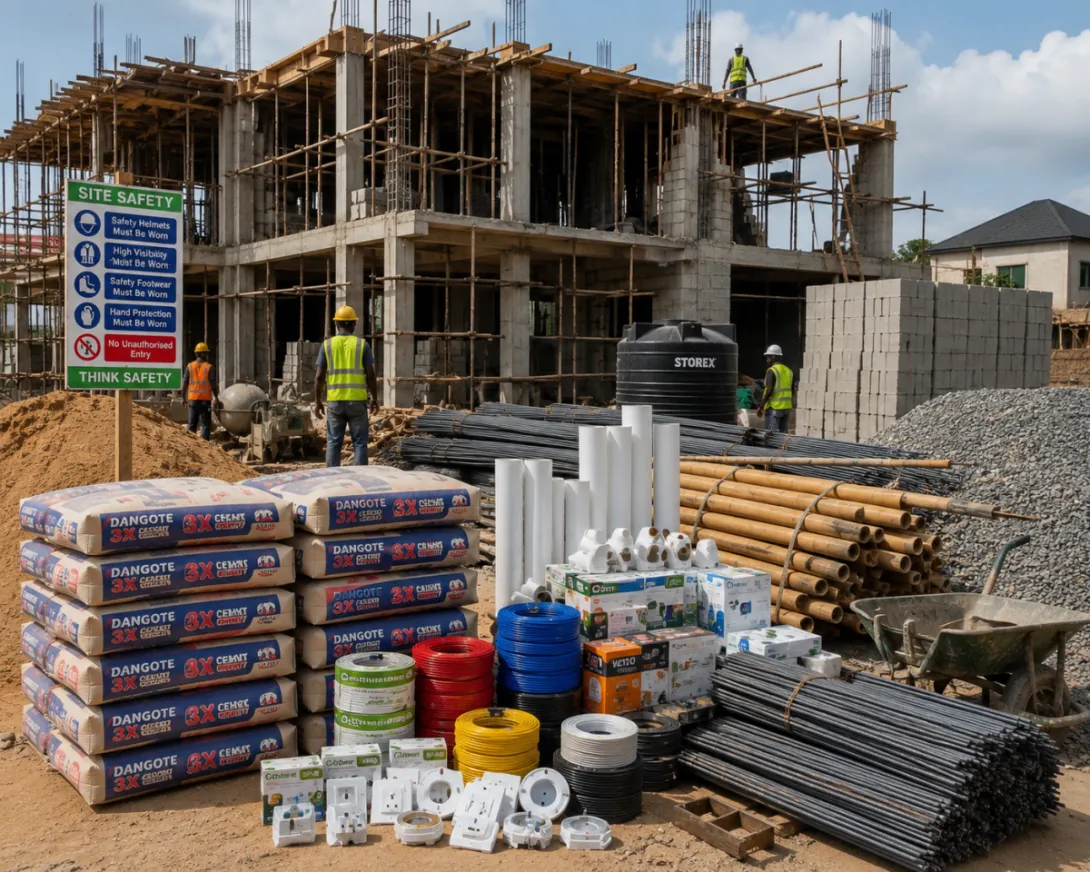
One of the most important decisions in any construction project is choosing the right building materials. While design, location, and workmanship are important, the quality of materials used can determine how strong, durable, and valuable a building becomes over time.
Unfortunately, many first time builders focus mainly on price and overlook quality, suitability, and long term performance. The result is often avoidable repairs, higher maintenance costs, and structural issues that could have been prevented from the beginning.
If you are planning to build a home, commercial property, or investment project, this beginner’s guide will help you understand how to choose the right building materials and avoid costly mistakes.
Why Building Materials Matter
Building materials form the foundation of every construction project. They influence:
- Structural strength
- Durability
- Safety
- Maintenance requirements
- Energy efficiency
- Property value
- Construction costs
Even the best architectural design can fail if poor quality materials are used during construction.
That is why successful projects pay close attention to building material selection from the planning stage.
Start With the Purpose of the Building
Before choosing materials, you should first understand the intended use of the building.
A family home, commercial office, warehouse, school, hotel, or rental apartment will not always require the same materials. The level of traffic, expected load, weather exposure, and maintenance needs will differ from one project to another.
For example, a high traffic commercial building may require stronger floor finishes than a private residence. A coastal property may also need materials that can better resist moisture, salt, and corrosion.
Choosing materials based on the purpose of the building helps improve performance and reduce future maintenance problems.
Consider the Climate and Environment
The environment where the project is located should influence your choice of building materials.
In areas with heavy rainfall, drainage, roofing, waterproofing, and moisture resistance are very important. In hot locations, materials that reduce heat absorption and improve ventilation can make the building more comfortable.
For coastal areas, corrosion resistant materials may be necessary for metal fittings, railings, roofing components, and other exposed parts of the building.
Ignoring local environmental conditions can lead to cracks, dampness, rust, roof damage, and faster deterioration.
Do Not Choose Based on Price Alone
One of the biggest mistakes beginners make is choosing the cheapest material available.
Lower prices may look attractive at the beginning, but poor quality materials often create higher costs later through repairs, replacement, wastage, and maintenance.
A cheaper roofing sheet that rusts quickly may cost more in the long run than a better quality option. The same applies to electrical cables, plumbing pipes, paint, tiles, cement, steel, and fittings.
Good construction cost management is not about buying the cheapest materials. It is about choosing materials that offer the best value for the required purpose.
Check Quality and Product Standards
Quality building materials should meet the appropriate standards for their intended use.
Before buying, check the manufacturer, product specifications, certification, packaging, and condition. Avoid materials with damaged packaging, unclear branding, suspiciously low prices, or poor storage conditions.
For structural materials such as cement, reinforcement bars, blocks, and concrete components, quality should never be compromised. Weak structural materials can affect the safety and stability of the entire building.
Where necessary, work with qualified professionals who can inspect, test, or approve materials before they are used on site.
Understand the Role of Each Material
Different building materials serve different purposes.
Cement is used in concrete, mortar, plastering, and other structural or finishing works.
Steel reinforcement helps concrete resist tension and improves structural strength.
Blocks or bricks form walls and partitions.
Roofing materials protect the building from weather.
Electrical cables distribute power safely.
Plumbing pipes manage water supply and waste.
Tiles, paint, ceilings, doors, windows, and fittings complete the building and improve functionality and appearance.
Understanding the role of each material makes it easier to know where quality is most critical.
Choose the Right Cement
Not every cement type should be used for every purpose.
Some types are suitable for general construction, while others may be required for specialized structural work. The quality of cement also depends on proper storage and handling.
Cement should be kept dry, protected from moisture, and used within a reasonable period. Bags that have hardened or formed large lumps may have been exposed to moisture and may no longer perform properly.
Your engineer or site supervisor should guide the selection based on the required concrete strength and type of work.
Pay Attention to Reinforcement Bars
Reinforcement bars are among the most important structural materials in a building.
The correct diameter, quantity, spacing, and grade should be used according to the structural design. Reducing the size or number of bars to save money can weaken the structure and create serious safety risks.
Bars should also be inspected for excessive rust, damage, and incorrect dimensions before use.
Never allow structural reinforcement to be changed without approval from the structural engineer.
Inspect Blocks Before Use
Poor quality blocks can crack, crumble, absorb too much water, or weaken walls.
Good blocks should be properly cured, uniform in size, and strong enough for their intended use. They should not break easily when handled.
The quality of sand, cement, water, and production method all affect block strength.
Where possible, blocks should be tested before large quantities are used on the project.
Select Durable Roofing Materials
Your choice of roofing material should consider durability, climate, building design, maintenance, and budget.
Common options include aluminium roofing sheets, stone coated roofing tiles, long span sheets, and other modern systems.
A good roof should be properly installed, resistant to weather, and supported by a strong roof structure. Poor installation can cause leaks even when good materials are used.
The roof should also include proper drainage, gutters, and water discharge systems.
Use Quality Electrical Materials
Electrical materials should never be chosen casually.
Poor quality cables, sockets, breakers, switches, and distribution boards can lead to overheating, fire, electric shock, and appliance damage.
The correct cable size should be used based on the expected electrical load. Electrical installations should also be carried out by qualified professionals.
Avoid counterfeit electrical products, especially where safety is involved.
Choose Reliable Plumbing Materials
Plumbing problems can be expensive because many pipes are hidden inside walls and floors.
Using weak or unsuitable pipes may lead to leaks, water damage, low pressure, and repeated repairs.
Choose plumbing materials based on the type of water system, pressure, temperature, and intended use. Pipes, fittings, valves, sanitary wares, and water tanks should all be properly selected.
A good plumbing system should be tested before walls and floors are closed.
Think About Maintenance
The right building materials should not only look good when new. They should also be easy to maintain.
Some materials require frequent repainting, polishing, sealing, or replacement. Others are more durable and require less attention.
For rental or commercial properties, low maintenance materials may be more practical because they reduce long term operating costs.
Before selecting any material, ask how often it will need maintenance and whether replacement parts are easy to find.
Consider Availability
A material may be attractive, but if it is difficult to source locally, future repairs and replacement may become expensive.
Choosing materials that are available from reliable suppliers can make maintenance easier and reduce delays during construction.
This is especially important for imported finishes, specialized fittings, tiles, sanitary wares, doors, and electrical components.
Avoid Counterfeit Materials
Counterfeit building materials are a serious risk in the construction industry.
Some fake products look similar to the original but perform poorly. They may fail early, create safety issues, or damage other parts of the building.
Buy from verified suppliers and request proper receipts. Check packaging, branding, product codes, and manufacturer details where possible.
If a deal looks unusually cheap, investigate before buying.
Compare Suppliers, Not Just Prices
When buying construction materials in Nigeria, it is wise to compare several suppliers.
However, the comparison should include:
- Product quality
- Brand authenticity
- Delivery cost
- Storage condition
- Return policy
- Availability
- Supplier reputation
- After sales support
A slightly higher price from a trusted supplier may be safer than a lower price from an unreliable source.
Plan Purchases Properly
Poor material planning can cause delays, wastage, theft, and unnecessary cost increases.
Materials should be ordered according to the construction schedule. Buying too early may create storage problems, while buying too late may delay work.
A proper material schedule helps the project team know what is needed, when it is needed, and in what quantity.
This also makes it easier to track usage and reduce waste.
Store Materials Correctly
Even high quality materials can become damaged if they are stored poorly.
Cement must be protected from moisture.
Steel should be kept away from prolonged exposure to water and soil.
Tiles and sanitary wares should be protected from impact.
Paint should be stored in a suitable environment.
Timber should be protected from rain, termites, and excessive moisture.
Proper storage helps preserve quality and reduce replacement costs.
Work With Qualified Professionals
Beginners should not make major material decisions alone.
Architects, engineers, quantity surveyors, builders, project managers, and experienced contractors can help you choose materials based on the design, budget, and performance requirements of the project.
A quantity surveyor can help with cost planning and material quantities. Engineers help with structural and service requirements. Architects help ensure that materials support the design and functional goals.
Professional guidance reduces the risk of costly mistakes.
Common Mistakes to Avoid
Some common mistakes include:
- Buying based only on price
- Using unverified suppliers
- Changing structural materials without approval
- Ignoring climate conditions
- Using materials meant for a different purpose
- Poor storage
- Buying excessive quantities
- Choosing appearance over durability
- Failing to inspect materials before delivery
- Allowing artisans to make major substitutions without professional review
These mistakes can reduce quality and increase project costs.
Final Thoughts
Choosing the right building materials is one of the most important parts of any construction project.
The best materials are not necessarily the most expensive. They are the ones that are suitable for the building, safe, durable, available, properly installed, and within the approved project budget.
For beginners, the smartest approach is to plan carefully, avoid shortcuts, work with qualified professionals, and buy from trusted suppliers.
A strong building begins with good decisions long before the first block is laid.
Planning a construction project and unsure about the right materials to use?
Landmalls Partner, Brick Fort provides construction, procurement, cost control, and project management support to help clients select quality materials, reduce waste, and deliver stronger buildings.
Contact Landmall today for professional guidance on your next construction project.